

 ₹https://stores.gausampurna.com/gau-sampurna/narasaraopet/narasaraopeta/gau-sampurna-in-narasaraopeta-narasaraopet--1AjVcQ/articles/common-mistakes-farmers-make-while-taking-care-of---9bd2f672-0004-4c55-907b-77163b52f797
Gau Sampurna, Narasaraopeta, narasaraopet
Dairy Farming Solutions & Animal Healthcare Store in Narasaraopeta, Narasaraopet, Andhra Pradesh
Plot No 2-15-56/13, Ward No 2, Raja Gari Kota, Opposite State bank of indisa, Narasaraopeta, narasaraopet, andhra pradesh - 522601
Request a call back
Gau Sampurna Social Feeds in Narasaraopeta, narasaraopet
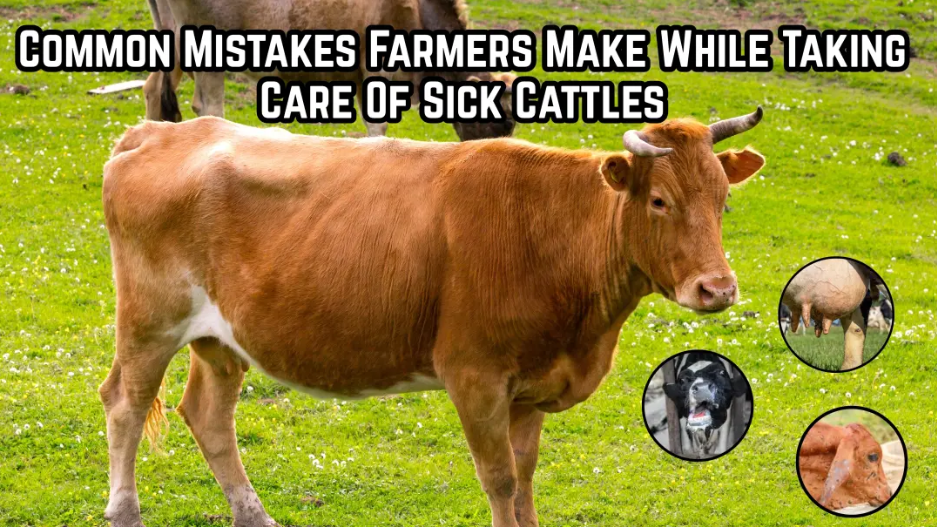
Common Mistakes Farmers Make While Taking Care of Sick Cattle
Introduction
Cattle are the backbone of many farms, providing milk, labour, and even manure for crops. When a cow falls sick, it’s not just an animal in distress, it’s a potential loss of income, productivity, and time. Dairy farmers in Narasaraopeta and narasaraopet understand the importance of maintaining good cattle health to ensure consistent milk production and farm profitability. That’s why proper treatment is so important. However, despite good intentions, farmers often make mistakes when caring for sick cattle. These errors can delay recovery, worsen the condition, or even lead to death.
In this blog post, we’ll explore the most common mistakes farmers make when treating common cattle diseases and how to avoid them. Whether you’re a seasoned farmer or just starting out, these tips can help you keep your herd healthy and thriving.
Mistake 1: Delaying Treatment
One of the biggest mistakes is waiting too long to act. Farmers may assume the cow will recover on its own or misjudge the seriousness of the symptoms. Diseases like lumpy skin disease in cattle can cause sudden energy loss in cows. Mastitis in cows is a common disease which in case of delayed treatment can cause permanent deduction in milk production. Using cattle health monitoring tools like Gau Swastha makes farmers know their cow better.
Why It’s Risky
Early signs of illness, like reduced appetite, drooping ears, or isolation can quickly escalate.
Delayed treatment can lead to complications or spread disease to other animals.
What to Do Instead
Monitor your cattle daily for changes in behaviour or appearance.
Act quickly if something seems off. Early intervention often leads to faster recovery.
Mistake 2: Self-Medicating Without Veterinary Advice
Many farmers try to treat sick cattle using leftover medicines or advice from neighbours, without consulting a vet.
Why It’s Risky
Wrong medication or dosage can harm the animal.
Some illnesses require specific treatments that only a vet can prescribe.
Overuse of antibiotics can lead to resistance.
What to Do Instead
Always consult a qualified veterinarian before giving any medicine.
Keep a record of past treatments and share it with the vet for better diagnosis.
Mistake 3: Poor Nutrition for Cows During Illness
Sick cattle often lose their appetite and farmers may not adjust their feeding strategy accordingly.
Why It’s Risky
Providing poor nutrition for the diseased cattle can make it even more vulnerable to other common cattle diseases.
Lack of hydration can lead to dehydration and worsen the condition.
What to Do Instead
Provide easily digestible, nutrient-rich food.
Ensure access to clean water at all times.
Consider supplements if recommended by the vet.
Note: Gau Sampurna’s Online Vet Consultation helps farmers get expert advice for their cows.
Mistake 4: Neglecting Hygiene and Isolation
Some farmers keep sick cattle in the same area as healthy ones, without proper cleaning or isolation.
Why It’s Risky
Diseases can spread quickly through contact, feed, or water.
Dirty surroundings can lead to infections and slow healing.
What to Do Instead
Isolate sick animals in a clean, dry, and well-ventilated space.
Disinfect feeding tools, water troughs and bedding regularly.
Mistake 5: Not Keeping Records
Farmers often rely on memory to track treatments, symptoms, and progress, which can lead to confusion.
Why It’s Risky
Inconsistent treatment schedules.
Difficulty identifying patterns or recurring issues.
What to Do Instead
Maintain a health log for each animal.
Record symptoms, medications, dosages, and vet visits.
Mistake 6: Misunderstanding Symptoms
Sometimes, farmers misinterpret symptoms or assume they know the cause based on past experience.
Why It’s Risky
Treating the wrong condition can make things worse.
Some diseases show subtle signs that require expert analysis.
What to Do Instead
Learn basic cattle health indicators but rely on vets for diagnosis.
Attend workshops or training sessions to improve your knowledge.
Final Thoughts
Treating sick cattle is both an art and a science. As a farmer it’s our responsibility to know the common cattle diseases, symptoms and their treatments. While experience matters, it must be supported by proper knowledge, timely action, and expert guidance. Avoiding these common mistakes can lead to healthier animals, better milk production and preventing common diseases like mastitis, bloating, foot and mouth disease (FMD) and others.
For dairy farmers in Narasaraopeta and narasaraopet, adopting smarter health management practices can significantly improve herd performance and farm profitability. Happy cows create successful farms. With the Gau Sampurna App, you get instant health reports, expert guidance, and smart dairy solutions to protect your herd and boost productivity.